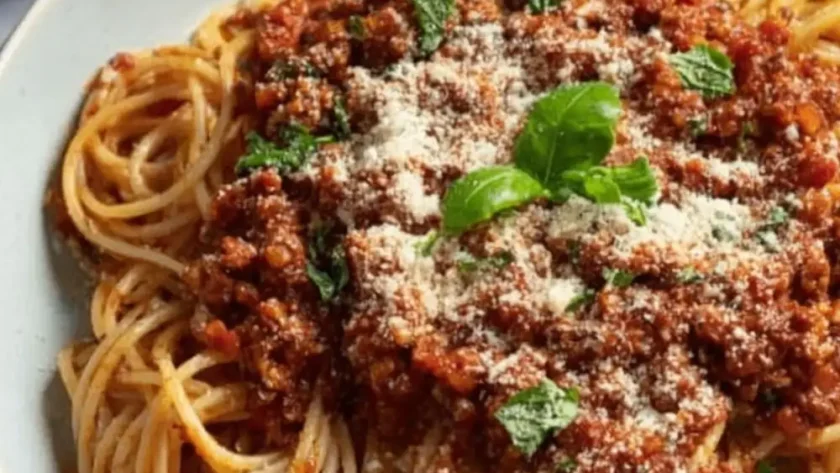
This satisfying Low Carb Spaghetti is made with protein-rich keto noodles, savory ground beef, and a robust, slow-simmered tomato sauce. The result is a comforting bowl of perfectly al dente strands draped in a thick, meaty ragu that delivers the toothsome bite of traditional Italian pasta without the carb crash. It is the ultimate guilt-free family dinner, allowing you to indulge in a classic comfort food craving while staying perfectly on track with your dietary goals.
Low Carb Spaghetti Ingredients
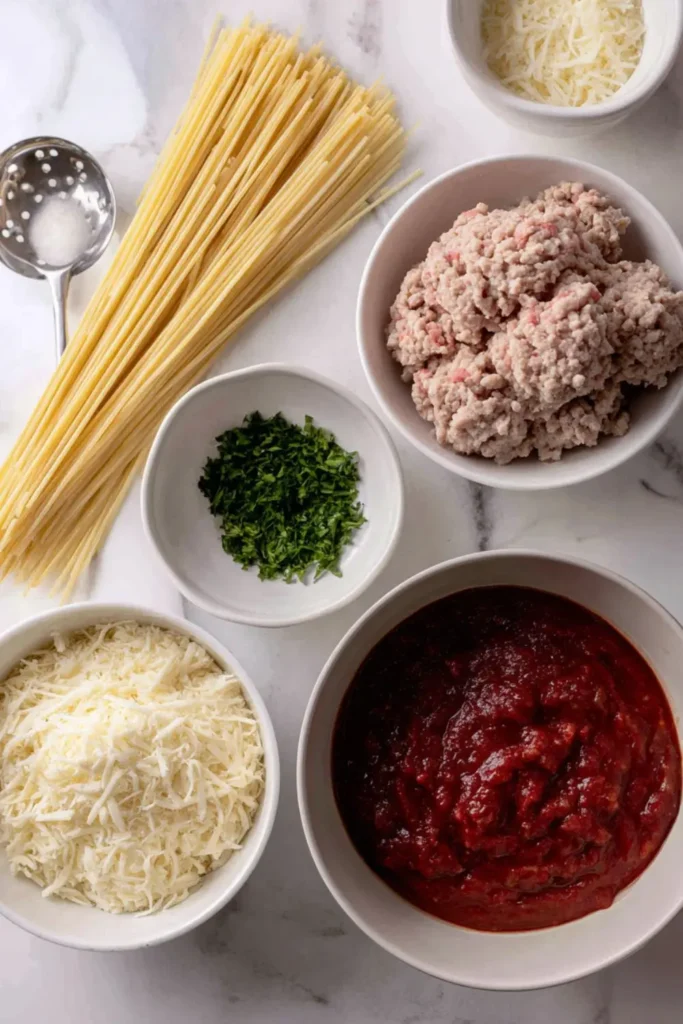
- 1 pound Keto Spaghetti: Specifically, a low-carb flour-based pasta (like Great Low Carb Bread Co.) or soybean spaghetti. Do not use shirataki or vegetable noodles for this specific texture.
- 1 recipe Keto Spaghetti Sauce: A sugar-free marinara base.
- 1 pound Ground Beef or Ground Chicken: For a hearty, protein-packed bolognese.
- 1/4 cup Parmesan Cheese: Freshly grated for a salty, nutty finish.
How To Make Low Carb Spaghetti Recipe
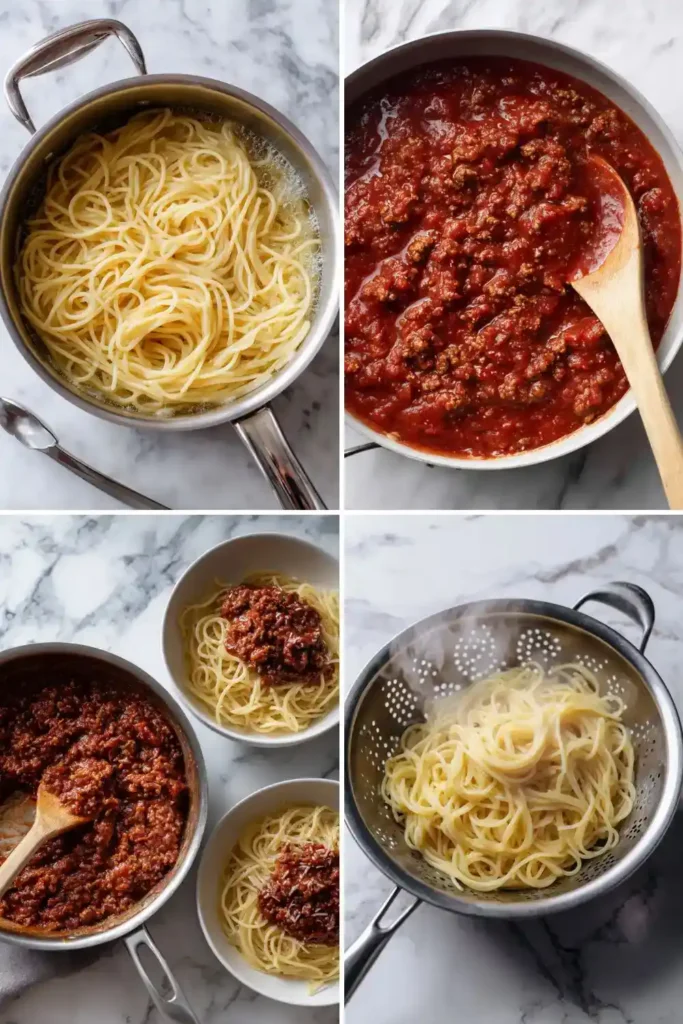
- Simmer the Bolognese: Start by preparing your keto spaghetti sauce in a large skillet or dutch oven. Add the ground beef (or chicken) to the sauce and let it simmer over medium-low heat for 20 minutes. You want the sauce to reduce until it is thick, glossy, and clings to the spoon rather than running off.
[Visual] - Boil the Pasta: While the sauce simmers, fill a large pot with water and salt it generously. Bring it to a rolling boil. Add your chosen low-carb spaghetti and cook for 8 to 10 minutes. Test a strand; it should be al dente—tender but with a slight firm bite in the center, just like traditional wheat pasta.
[Visual] - Drain and Assemble: Drain the spaghetti well in a colander. You can either toss the noodles directly into the skillet with the meat sauce to coat every strand, or portion the plain noodles into bowls and ladle the hot, meaty sauce over the top.
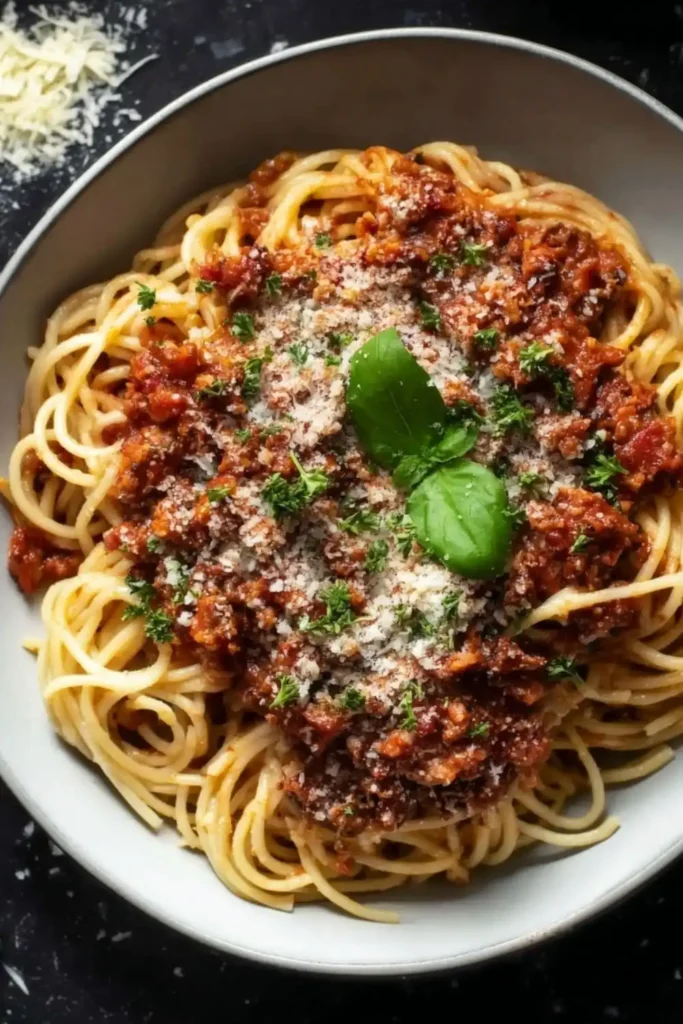
- Garnish and Serve: Immediately top with a generous dusting of freshly grated Parmesan cheese and fresh herbs if desired. Serve hot.
Recipe Tips
- Choosing the Right Pasta: This recipe relies on “real” tasting low-carb pasta, such as soybean spaghetti, edamame pasta, or specific low-carb flour blends (like Great Low Carb Bread Co.). Avoid shirataki (konjac) noodles if you want an authentic spaghetti texture, as they tend to be slippery.
- Watch the Gluten: Note that some popular low-carb pasta brands (like Great Low Carb Bread Co.) have reformulated to include gluten. If you are Celiac or strictly gluten-free, opt for Soybean Spaghetti or Black Bean Spaghetti instead.
- Salt the Water: Since low-carb pasta can sometimes have a blander taste than semolina pasta, generously salting the boiling water is crucial for infusing flavor right into the noodle.
- Sauce Consistency: Because low-carb noodles don’t release as much starch as regular pasta, your sauce needs to be naturally thick. Don’t skip the 20-minute simmer time.
What To Serve With Low Carb Spaghetti
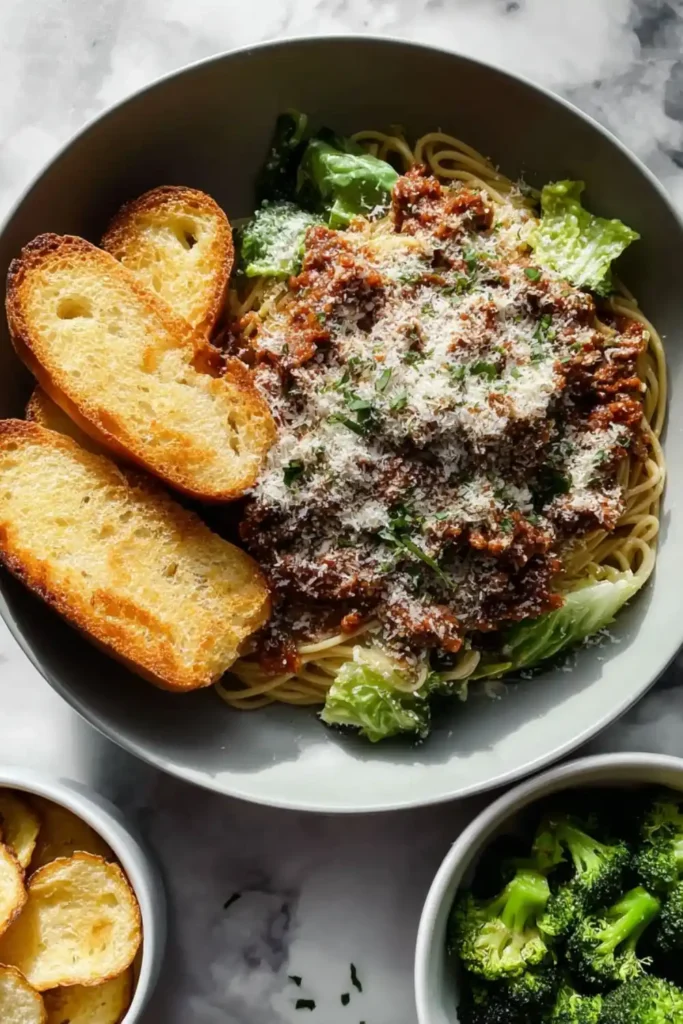
- Keto Garlic Bread: Made with almond flour dough, toasted until crisp to mop up the sauce.
- Caesar Salad: Crisp romaine lettuce with a creamy, high-fat dressing and plenty of parmesan (skip the croutons).
- Roasted Broccoli: simple roasted florets add crunch and volume to the meal.
- Zucchini Chips: Thinly sliced and baked until crispy for a salty side.
How To Store Low Carb Spaghetti
- Refrigerate: Store leftover spaghetti in an airtight container in the refrigerator for up to 5 days. For the best texture, try to store the cooked pasta and the meat sauce in separate containers so the noodles don’t become soggy.
- Reheat: Microwave single-serving portions for 30-45 seconds. Alternatively, warm the sauce in a saucepan over medium heat and toss the noodles in for the last minute to heat through.
- Freeze: Let the pasta and sauce cool completely. Place them in separate freezer-safe containers or bags. They can be frozen for up to 6 months. Thaw overnight in the fridge before reheating.
Low Carb Spaghetti Nutrition Facts
- Calories: 320 kcal
- Fat: 14g
- Carbohydrates: 12g
- Net Carbs: 6g
- Protein: 35g
Nutrition information is estimated and varies significantly based on the specific brand of low-carb pasta used.
FAQs
Yes, you can, but the texture will be different. Zoodles are softer and release water into the sauce. If using zoodles, sauté them quickly in a pan rather than boiling them to maintain a crunch.
Low-carb pastas often rely on fiber and proteins for structure, which can require a slightly longer cooking time than white pasta to soften. Test frequently after the 8-minute mark until it reaches your desired texture.
Yes, as long as you use a pasta brand that is specifically labeled “Low Carb” or “Keto” (usually fiber-based or legume-based) and a marinara sauce with no added sugar.
Low Carb Spaghetti Recipe
Description
A comforting, keto-friendly take on Spaghetti Bolognese using high-protein pasta and a rich, meaty tomato sauce.
Ingredients
Instructions
- Prepare the spaghetti sauce and stir in the ground meat.
- Simmer the sauce for 20 minutes until thick and savory.
- Boil a pot of salted water.
- Cook the low-carb spaghetti for 8-10 minutes until al dente.
- Drain the pasta well.
- Divide noodles into bowls and top with the meat sauce.
- Garnish with Parmesan cheese and serve.
Notes
- Do not use shirataki or tofu noodles for this specific recipe; the texture profile is designed for flour or bean-based mock pastas.
- If using Great Low Carb Bread Co. pasta, be aware it contains gluten; use soybean pasta for a gluten-free option.
- Store pasta and sauce separately to maintain the best texture for leftovers.
- Simmering the meat sauce is essential for flavor development.